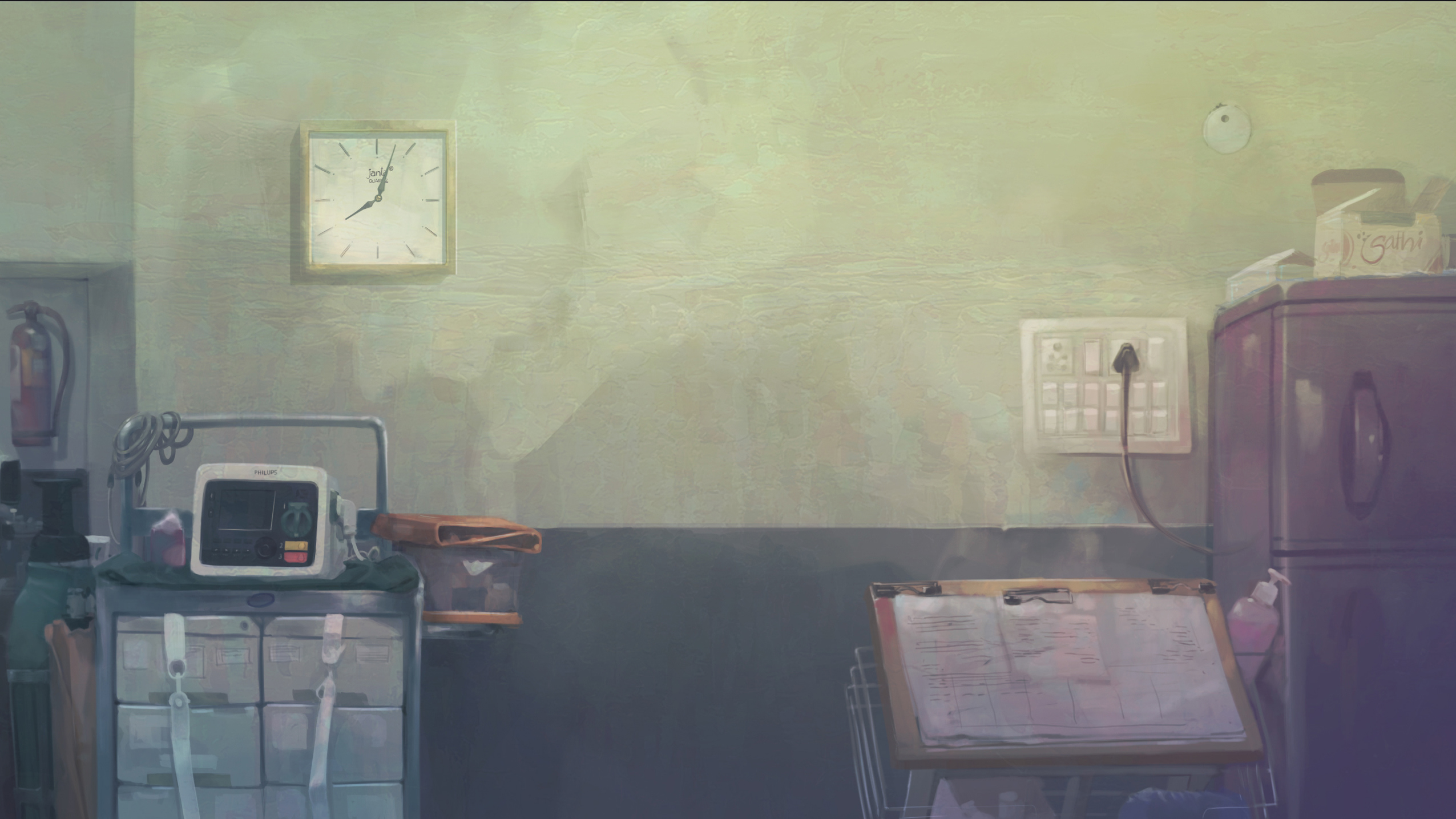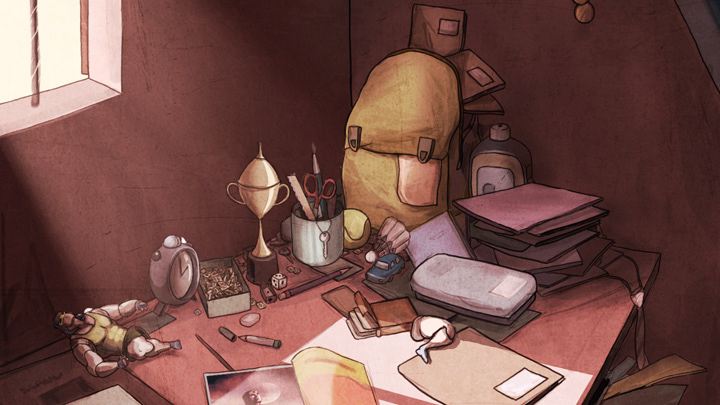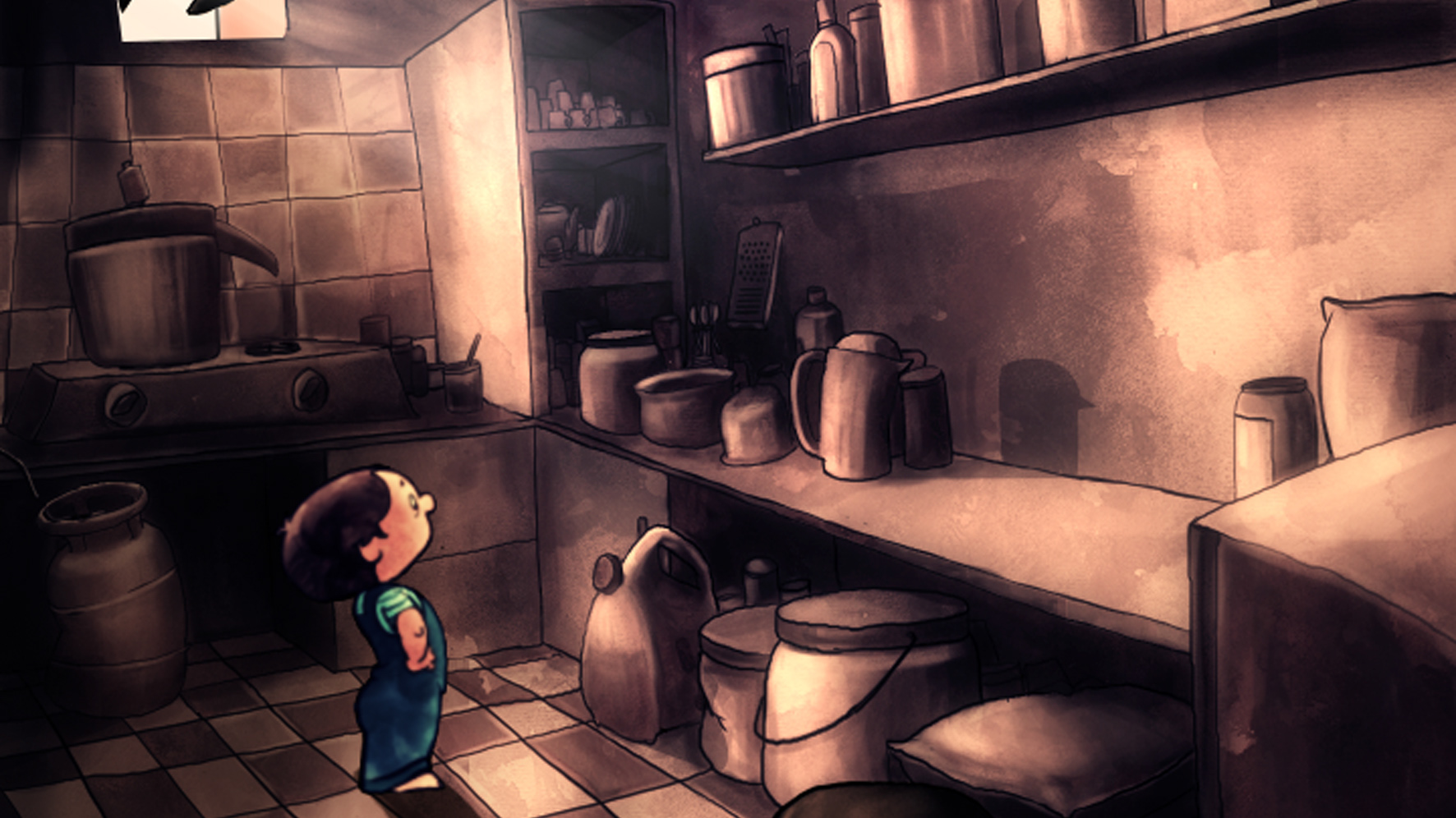
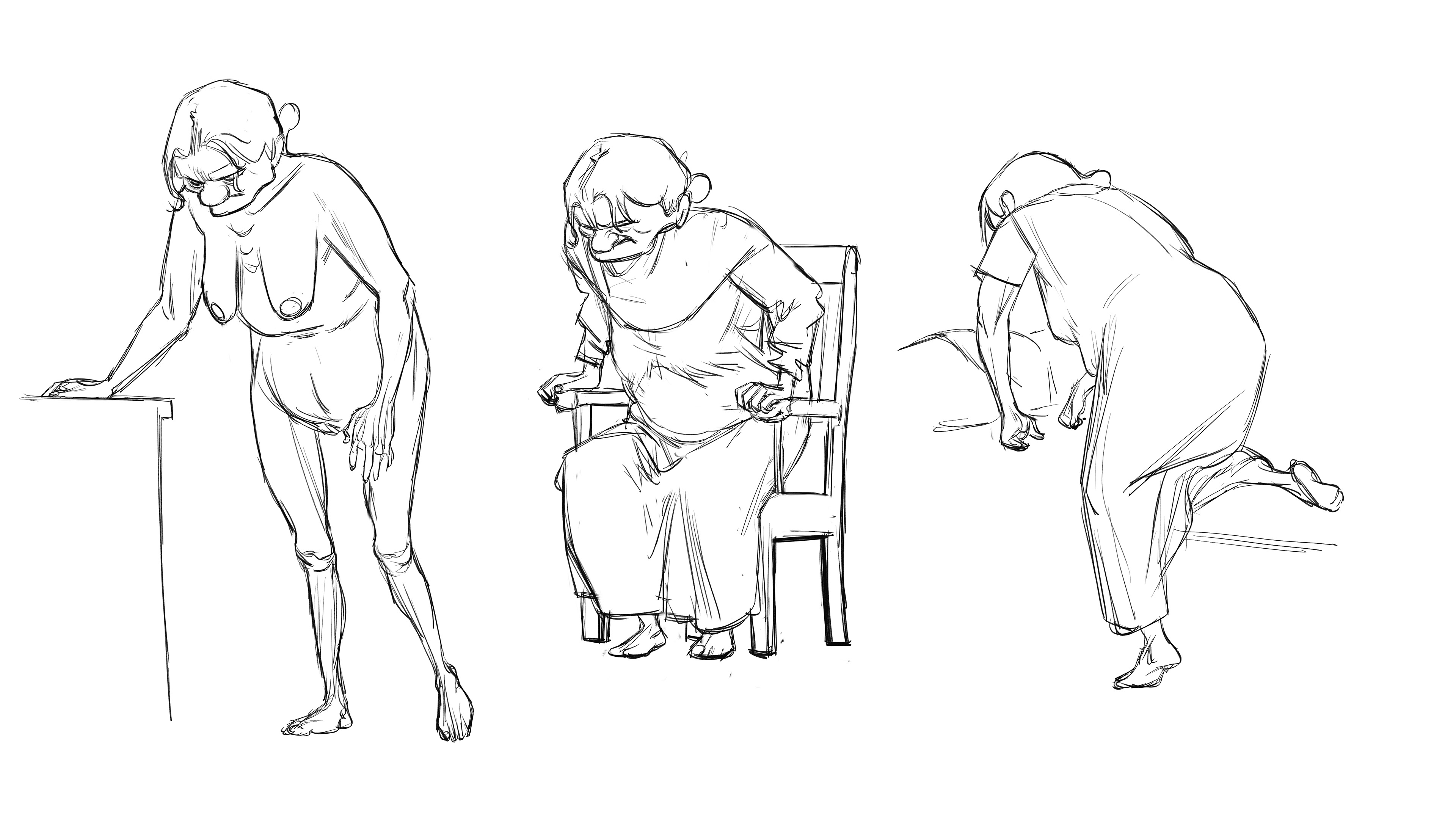
A 30 second line test from the film.
GETTING READY
WRITER, DIRECTOR: Somnath Pal
PRODUCERS: SUNIL DOSHI, JESAL DOSHI,
ALLIANCE MEDIA & ENTErtainment pvt. Ltd.
EXECUTIVE PRODUCER: Ramsey Avery
LANGUAGE: BENGALI
Duration: 10 minutes
GENRE: DRAMA
target audience: young adults and adults
technique: 2D Hand drawn (DIGITAL)
LOGLINE
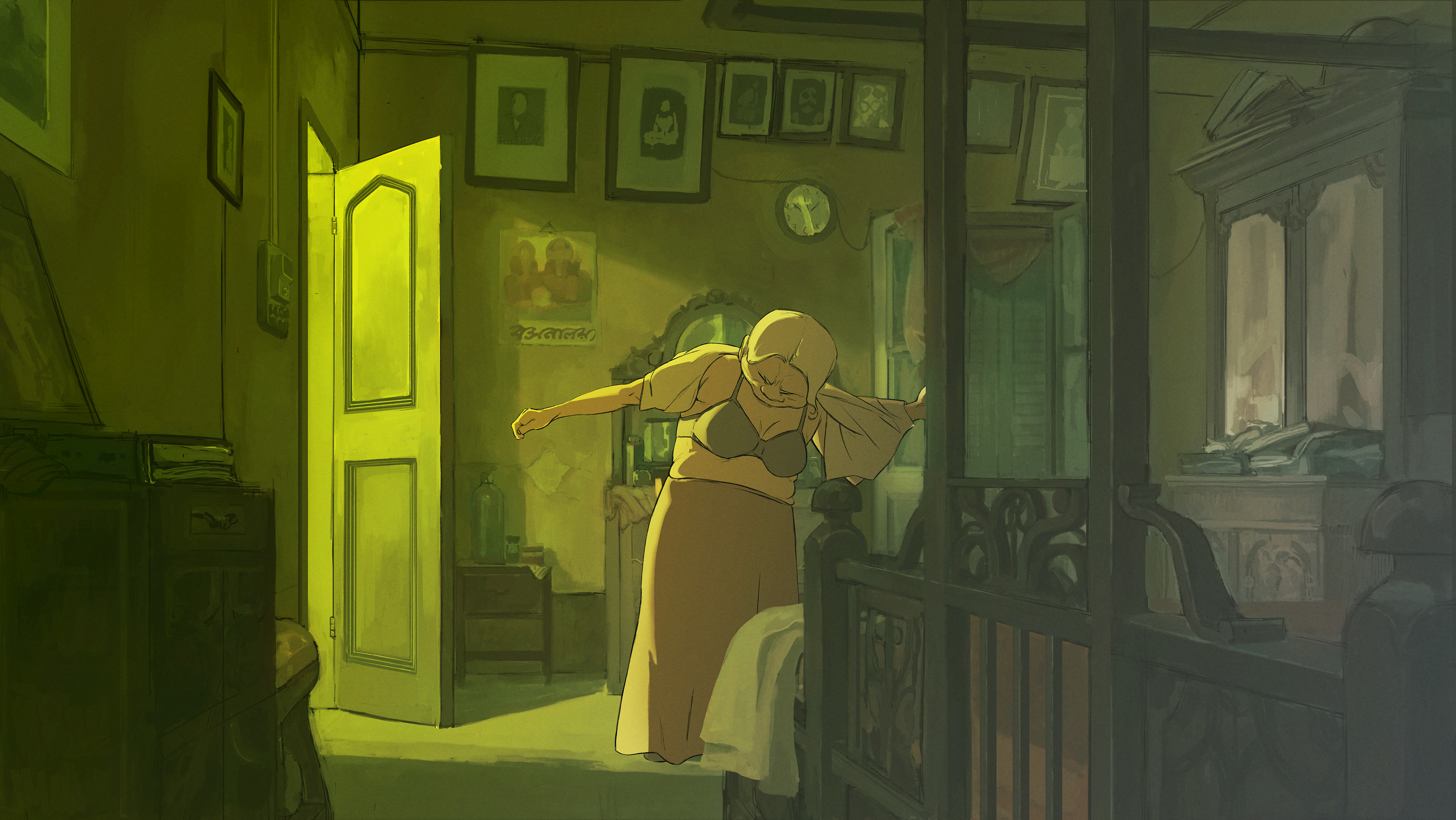
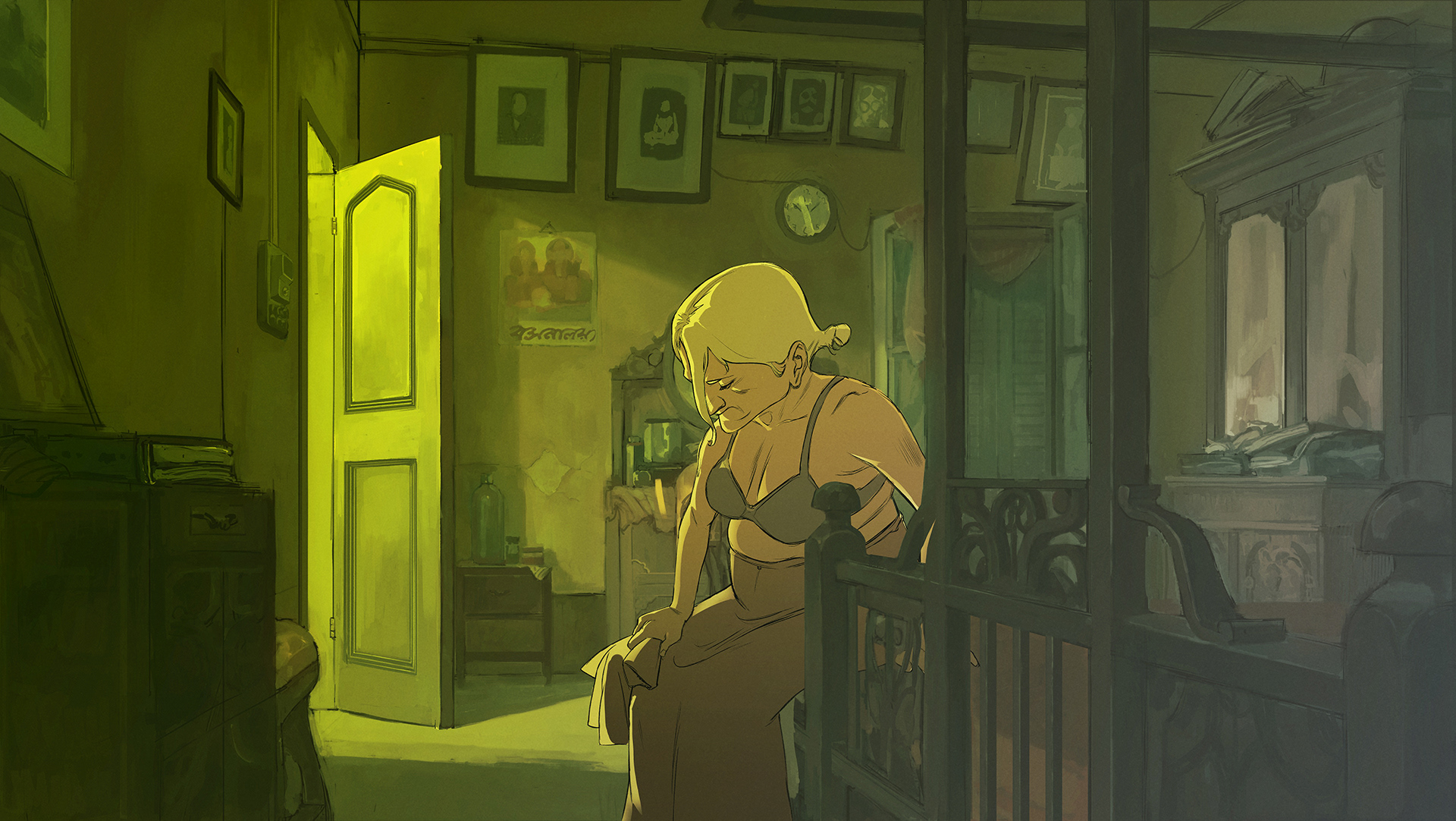
An old woman tries to get dressed for an occasion, but her frail body is unable to cope with the act that she has been so used to over the years.
SYNOPSIS
Today is a very special day for this old woman- a holy festival- a ritual that she has never missed over the years. She musters the courage to get dressed and offer her prayers to the deity she draws her strength from.
But the woman’s body- a fragile scaffolding of bones and memory, rebels against the summons as she labours to drape herself.
The film distends time, stretching ten gruelling minutes to document the discordance between her indomitable spirit and the collapsing physiology. This saree- the symbol of her cultural identity since she embraced womanhood has curdled into a brocaded labyrinth. The all so familiar routine has betrayed her to become a tyrannous reminder of the fragility of time.
But being part of a hyper independent generation, she refuses to acknowledge defeat. In the final moments, the lens becomes a weapon. The woman turns her gaze directly upon the viewer- questioning their participation in these silent battles.

GENESIS
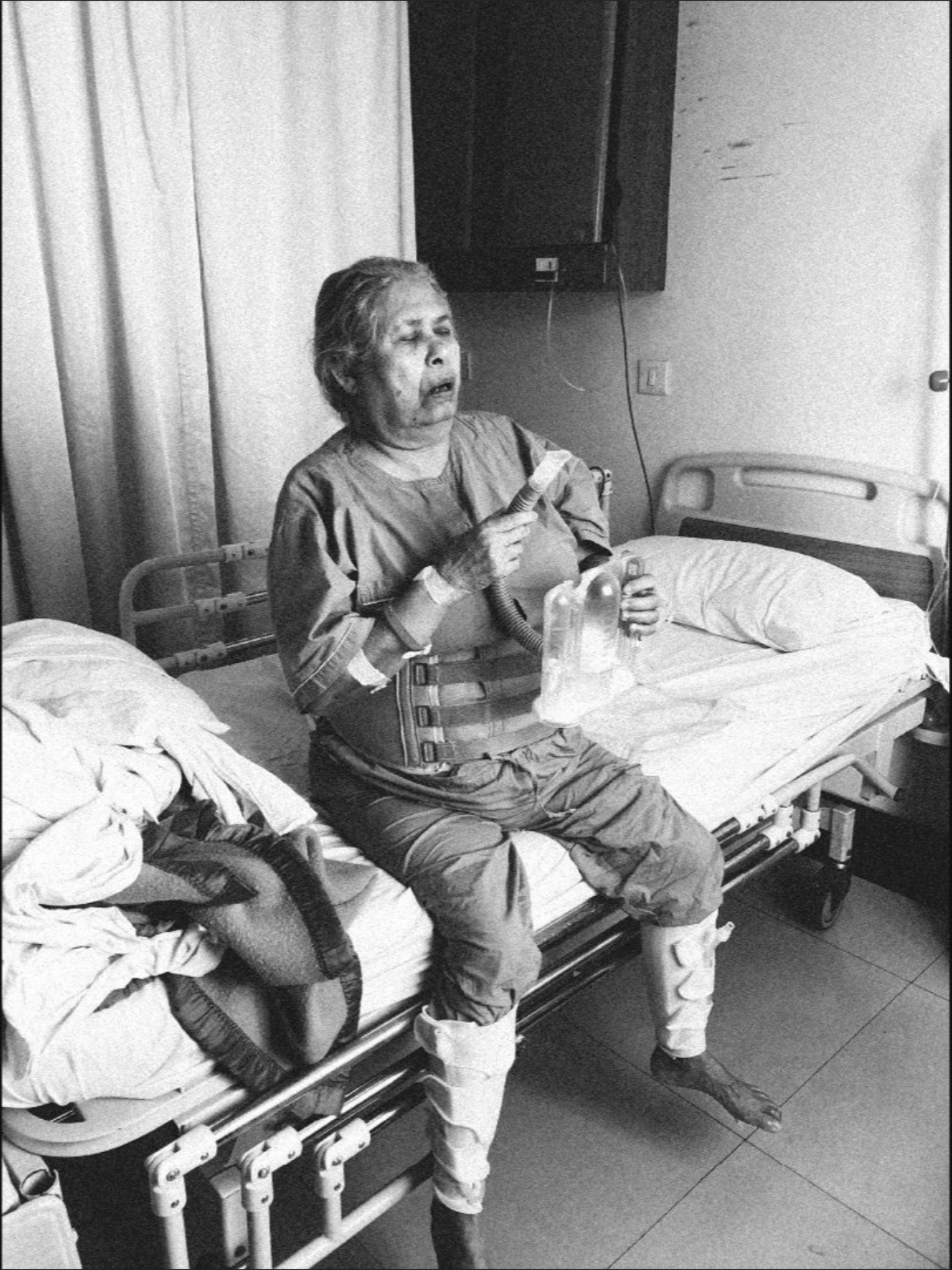
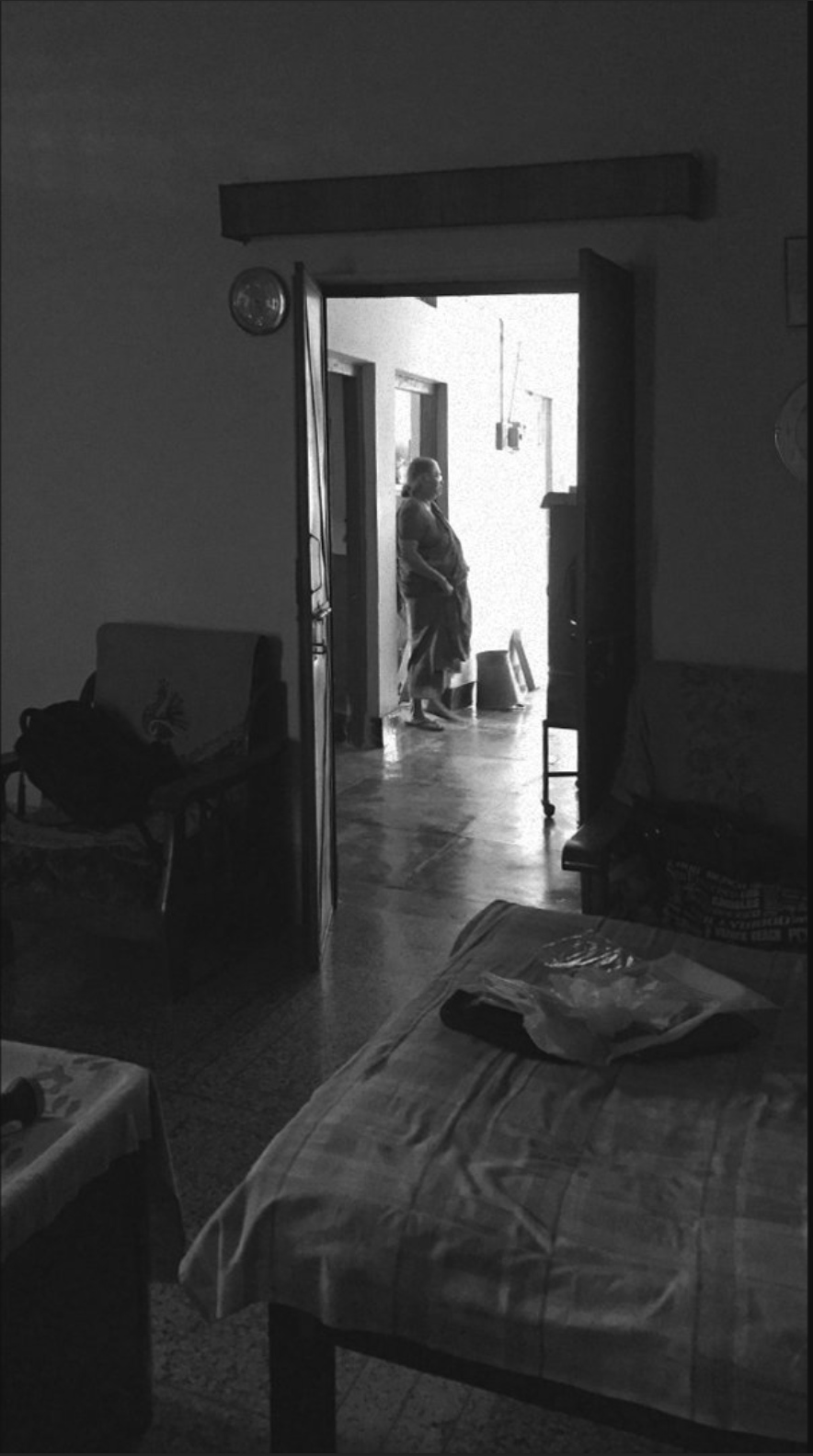
I was a late-born child, which meant that as I entered my twenties, I bore witness to the slow, cruel erosion of my parent's physical selves—the fading of sight, the loss of vigor, the quiet vanishing of strength. Yet, they did not retreat.
Born in pre-independence India and hardened by the struggles of the post-independence era, my parents belonged to a generation that viewed self-reliance not as a choice, but as a moral imperative. They never knew another way to exist. Even in his final weeks at eighty, my father moved through the world with a fierce autonomy; he cooked his own meals, tended the garden, and ironed his clothes with a precision that defied his failing frame. To be assisted was, to him, a surrender he was not prepared to make.
My mother remains cut from the same cloth. Even now, she finds her purpose in the kitchen, her spirit restless if she is not allowed to contribute. When I compare their iron-willed endurance to the comforts of my own life, I am deeply humbled. This film is an attempt to document that specific, unyielding spirit—the quiet dignity of a generation that refuses to break, even as they bend under the weight of time.
MOTIVATION
Every generation or two, an entire architecture of values collapses. Having lost my father, I now stand at the edge of a delicate transition, preparing for a life without my mother. When she goes, a specific worldview dies with her. And while there might be disagreements, I cannot deny that there is infinitely more to cherish and celebrate within her spirit.
With marriage at a very early age against her wish, she was consequently forced to immigrate to an alien land where she had to learn to navigate the world for her survival. The unforgiving milieu had no room for her innocence and cluelessness, pushing and hardening her to become self reliant. She is not an anomaly, but a mirror of her generation that toiled in the
shadows to build the world we stand on. To call them "empowered" fails to capture their
reality. For them, there was simply no other way to survive but to keep moving.
shadows to build the world we stand on. To call them "empowered" fails to capture their
reality. For them, there was simply no other way to survive but to keep moving.
Through this film, I intend to sensitise my audience to this generation of that silently toiled hard. Hopefully, her struggle will remind them to be empathetic to the struggles of this generation.

THEMES
The steadfast aspiration: The indomitable human spirit does not always manifest in grand sweeping gestures; often, it surfaces in the agonising persistence of the mundane. As the camera refuses the mercy of a cut, the audience is forced to witness the friction between her will and her exhaustion.
Ageing and autonomy: Her refusal to seek succour is not an act of stubbornness, but a final, fierce assertion of agency. In a world that seeks to infantilize the elderly, her hyper-independence is her armour. She chooses the dignity of the struggle over the humiliation of assistance, transforming her failing body into a site of private resistance against the erosion of the self.
The body as memory: The saree is draped not by sight, but by the quiet instinct of her hands. Decades of embodied habit surface through the rhythm of repetition and the tragedy of hesitation. The mind commands a grace the fingers can no longer fetch; here, the body is an archive that remembers the fluid elegance of youth even as it falters in the execution of the present.
The quiet battles of domestic life: By distending ten minutes of preparation into an
epic ordeal, the film exposes the invisible labor embedded within the familiar. The domestic space, usually a safe haven, is recontextualized as a battleground. A routine that should be second nature becomes a mountain to climb, revealing the hidden, grueling toll of existence within four walls.
The Weight of the Witness: The film’s climax rejects the easy comfort of pathos. By meeting the viewer’s eye with a gaze of cold, violated fury, the woman reframes her vulnerability as a direct confrontation. She refuses to be an object of pity. Instead, she incriminates the audience’s participation in these silent battles.
PROCESS: OBSERVATIOn to internalisation
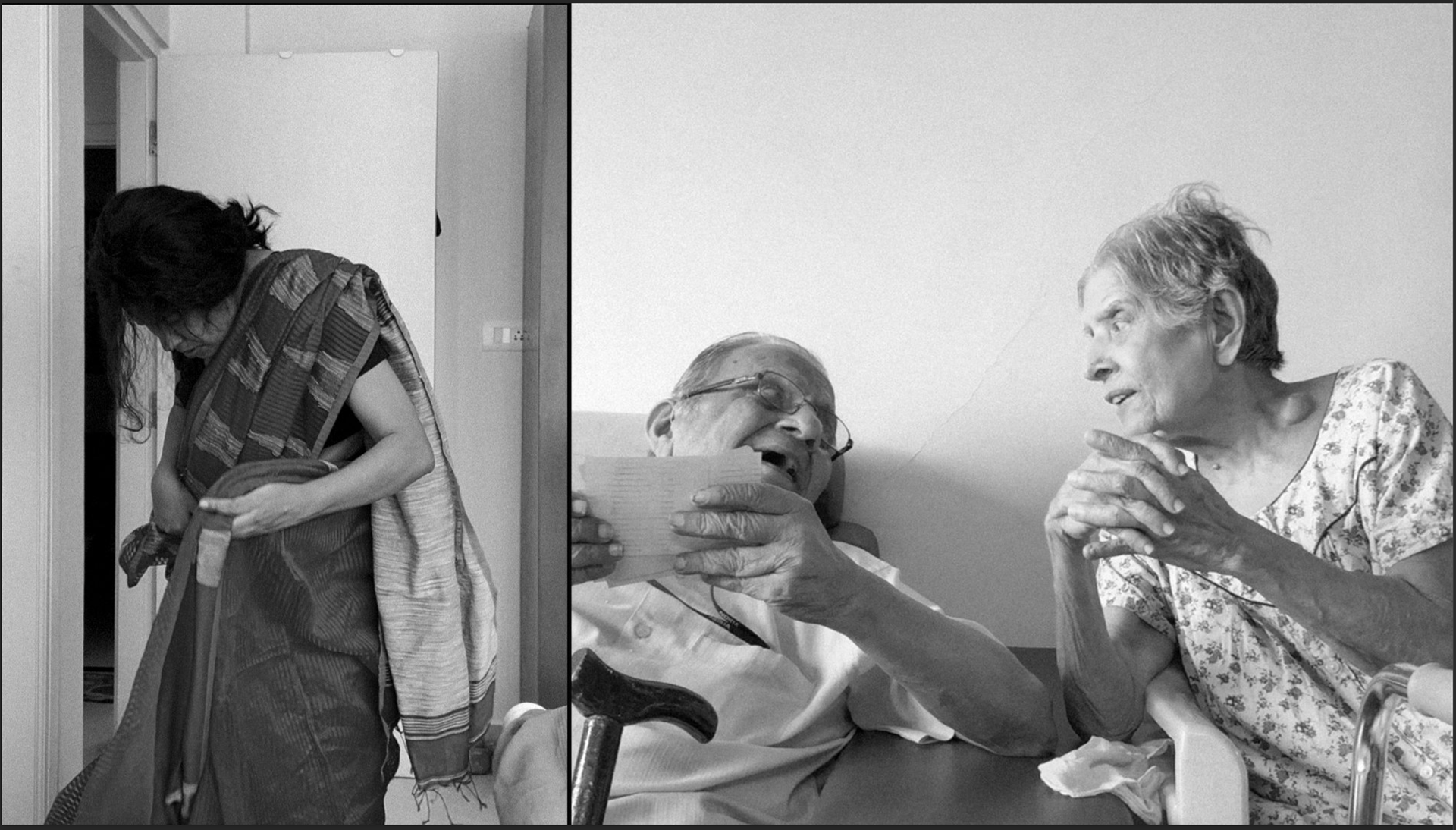
The authenticity of this film's movement is not the result of guesswork but hours of observation. To truly understand the collapse of vigor, I turned to the elderly in my immediate and extended family. I observed not just their grand gestures, but the micro-struggles of their daily existence: the way a wrist trembles under the weight of a water glass, or the specific, labored geometry of a shoulder as it reaches for a pleat.
However, observation alone was insufficient; I needed to translate these sights into a physical vocabulary. It seemed insensitive to ask an older actress to go through the trouble, so I collaborated closely with a younger veteran actress and friend, Ratnabali
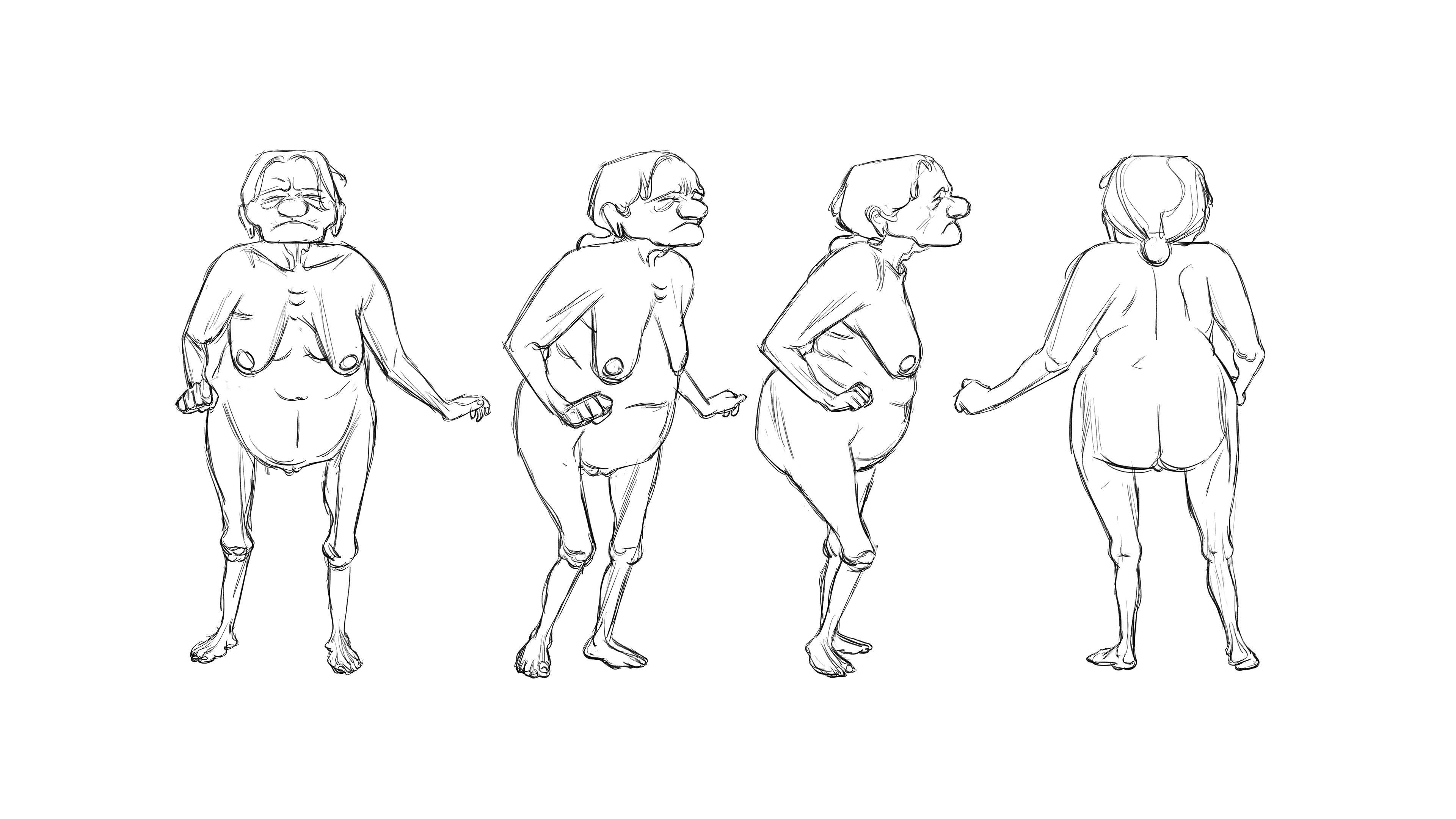
Bhattacharjee, specialist in the nuances of movement. She brought to the table her experiences of observing her mother and helped me dissect the physiological toll of eighty years. Together, we analyzed the gravity of aging—the way weight shifts, the jagged rhythm of a breath, and the heavy silence of a body in rebellion. In addition I studied older generation life drawing models to understand how the form shapes up- the changes that happen to a post menopausal body, and how the belly weight bends the spine forward.
Bhattacharjee, specialist in the nuances of movement. She brought to the table her experiences of observing her mother and helped me dissect the physiological toll of eighty years. Together, we analyzed the gravity of aging—the way weight shifts, the jagged rhythm of a breath, and the heavy silence of a body in rebellion. In addition I studied older generation life drawing models to understand how the form shapes up- the changes that happen to a post menopausal body, and how the belly weight bends the spine forward.
Finally, I took these lessons and acted them out myself. I believe that to animate a character's struggle, the animator must understand the nuances of the struggle. This physical immersion allowed me to move beyond mere representation. In the film, the movements aren't just drawn; they are felt. They are the result of an animator who has lived, if only for a moment, in the weight of his protagonist's skin.
THE UNDERPINNINGS- THE RELEVANCE OF THE UNSPOKEN IN THIS FILM
1. Saree
For the generation this film honors, a saree is never just a piece of clothing; it is their cultural identity. It is the sacred mantle they chose to live in as they navigated the turbulent waves of Westernization, clutching their value systems like a compass. In an era that demanded her to shed her past, the saree became the emblem of defiance—a six-yard testament to an identity that refused to be whitewashed by the glitz of the modern world. Interwoven in the fabric is a profound, unshakeable faith. In some ways, it mimics my pursuit of 2D animation in world flooded by modern tools and aesthetics. The saree is the metaphor I embrace to share my love for this medium.
For the generation this film honors, a saree is never just a piece of clothing; it is their cultural identity. It is the sacred mantle they chose to live in as they navigated the turbulent waves of Westernization, clutching their value systems like a compass. In an era that demanded her to shed her past, the saree became the emblem of defiance—a six-yard testament to an identity that refused to be whitewashed by the glitz of the modern world. Interwoven in the fabric is a profound, unshakeable faith. In some ways, it mimics my pursuit of 2D animation in world flooded by modern tools and aesthetics. The saree is the metaphor I embrace to share my love for this medium.
2. The festival
The festival she is getting dressed for holds a deep cultural relevance for this woman. It is the celebration of the feminine energy of the universe, that takes the form of Goddess Durga to vanquish all evil. Imagine, navigating through tumultuous times holding on to your faith in this deity and drawing strength from her to face your life's battles. In this culture, the deity is referred to as 'Maa', or mother and holds a pivotal role in defining the feminist overview. She isn't just a mother who serves the role of nurture and compassion, she is also the mother that stands against injustice.
3. The space
Her room is far more than just a backdrop- it is a sprawling, living archive that breathes in tandem with the protagonist. It is four walls of faded grandeur and stubborn endurance, where the weight of history is etched into every damp wall and rustic almirahs. It is an echo of the woman's weathered soul.
The festival she is getting dressed for holds a deep cultural relevance for this woman. It is the celebration of the feminine energy of the universe, that takes the form of Goddess Durga to vanquish all evil. Imagine, navigating through tumultuous times holding on to your faith in this deity and drawing strength from her to face your life's battles. In this culture, the deity is referred to as 'Maa', or mother and holds a pivotal role in defining the feminist overview. She isn't just a mother who serves the role of nurture and compassion, she is also the mother that stands against injustice.
3. The space
Her room is far more than just a backdrop- it is a sprawling, living archive that breathes in tandem with the protagonist. It is four walls of faded grandeur and stubborn endurance, where the weight of history is etched into every damp wall and rustic almirahs. It is an echo of the woman's weathered soul.
GET IN TOUCH
Thank you!